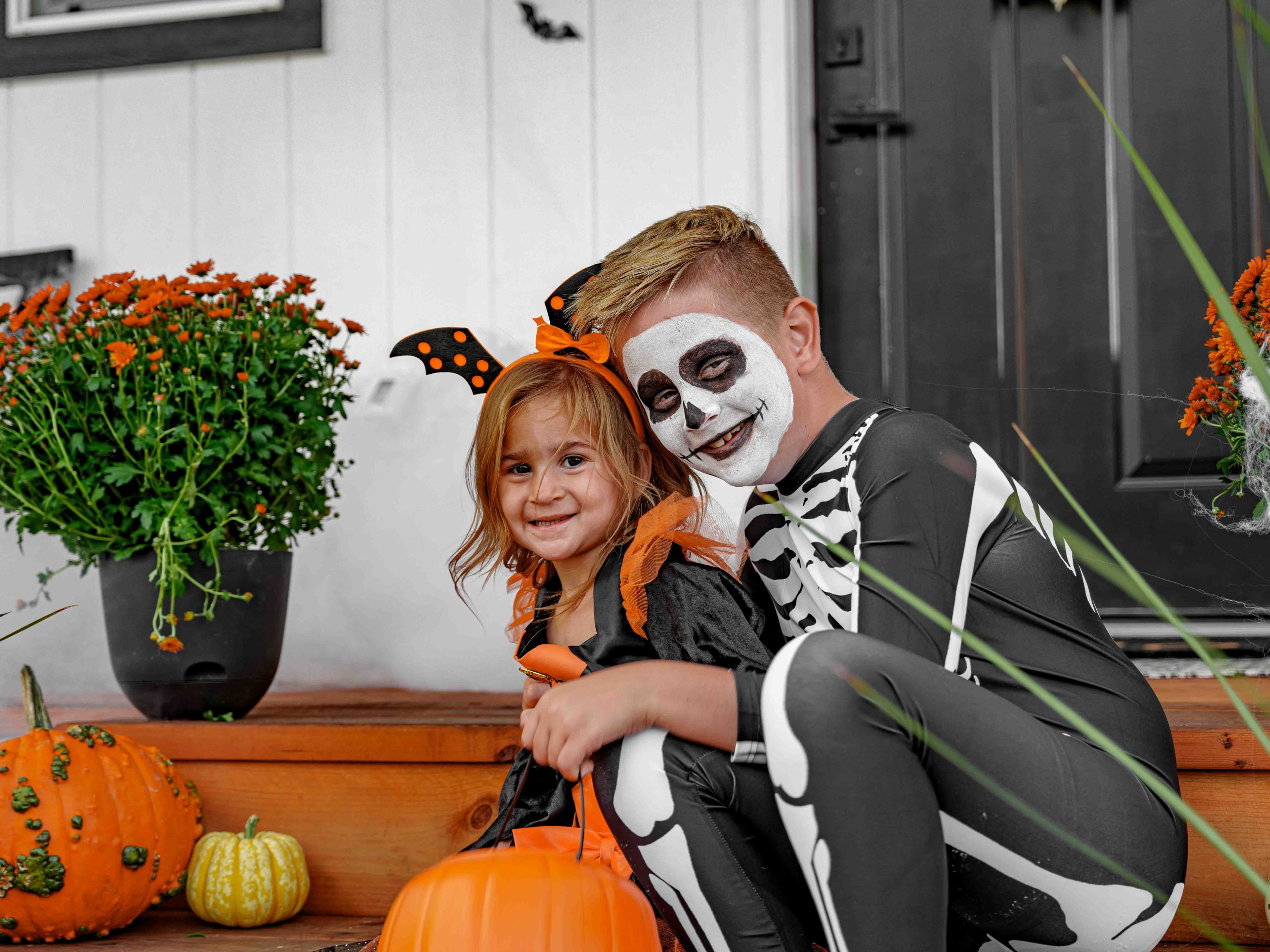
Most people expect Halloween jokes to land with big dramatic setups and monster puns that take thirty seconds to tell, yet in practice the ones that actually get repeated at parties and classroom doors are the short lines you can drop between handing out candy or while kids adjust their masks. The difference shows up fast: a joke that needs perfect timing flops when three trick-or-treaters arrive at once, while a two-sentence riddle about a pumpkin fits between doorbell rings. Real October nights also prove that adults and kids respond to the same basic structure—setup, twist, quick payoff—when the twist ties to something they can see right then, like the candy bowl or the porch light. Testing a handful of these lines on actual groups reveals which ones survive the noise of costumes rustling and siblings interrupting. The ones that work share three traits: they reference a familiar object, stay under fifteen words, and end with a clear punch that needs no extra explanation. That pattern turns a quiet living room into a back-and-forth game instead of a one-person performance.
👉 Parents hosting classroom parties, hosts running porch candy stations, and groups of friends trading lines during October gatherings will find ready-to-use material here.
funny halloween jokes
The jokes that travel best from one house to the next keep the setup under ten words and land on something everyone can see. Start with the classic about the skeleton who could not go to the dance because he had no body to go with; say it right after a child grabs candy and the timing alone earns the laugh. Follow it with the line about the vampire who opened a new necktie shop, then point to the orange bowl as the next prop. Listeners remember these because each one uses an object already in the scene rather than requiring extra setup. Rotate through five or six of these during a single evening and the pattern becomes clear: shorter beats win over longer stories. One reliable closer mentions the full moon and a werewolf who could not decide on a hairstyle, delivered while the porch light flickers. Keep a mental count of which lines get repeated by the next group; those are the keepers for future years. After you have the rhythm down, a quick trip to the craft aisle for two packs of glow sticks gives kids something to hold while they wait for the next joke.
best halloween riddles with answers
Riddles outperform straight jokes when the group includes mixed ages because the answer can be shouted out together. The one about what a ghost uses to wash its hair lands every time: sham-poo. Pair it with the riddle about the room ghosts refuse to enter, which is the living room, and let the kids supply the answer before you confirm it. A third option asks what a pumpkin patch becomes after it graduates; the answer is a squash court. Each of these uses everyday words that children already know, so the twist feels immediate instead of forced. Run through the full set of eight riddles twice during a party and most guests will have memorized at least three. The concrete detail that separates useful riddles from forgettable ones is the presence of an object the kids can touch or see while they guess. After the last answer is given, the natural next step is to hand each child a small notebook so they can write their favorites before heading to the next house.
halloween jokes for kids
Jokes aimed at kids succeed when they stay under twelve words and avoid any mention of real fear. The line about the mummy who became a great detective because he always followed the clues works because the image is silly rather than scary. Another option asks why the skeleton went to school and answers that he wanted to bone up on his lessons. Both lines reference school or play, two settings children already understand. Deliver these between handing out individual pieces of candy so the joke becomes part of the transaction instead of a separate performance. Groups of six to eight children can handle four jokes in a row before attention drifts; after that point, switch to a quick riddle so everyone stays involved. One practical test is to try the same four jokes on two different age groups in the same evening and note which lines still earn smiles from the older kids. When the material holds up, the evening moves faster and the candy bowl empties at a steady pace.
halloween puns and jokes
Puns that tie directly to visible items on the porch or table earn the fastest reactions. The line about the corn that joined a band because it had the best ear works when you point to the candy corn in the bowl. Another option mentions the bat who could not go to the party because he was too tired from all the hanging around. Both examples use objects already present, so listeners connect the words to something real instead of an abstract idea. Keep a running tally during the evening of which puns get repeated by the next arriving group; those become the core set for the rest of the month. A single concrete addition that improves delivery is a small chalkboard on the porch listing the current pun so early arrivals can read it while waiting. This turns passive waiting into active participation and gives the jokes a second life after the visitors leave.
halloween jokes and riddles for classroom parties
Classroom settings reward jokes that can be told in under ten seconds so the teacher can keep the schedule. The skeleton who could not lie because everyone could see right through him fits that window and needs no props. Follow it with the riddle about what a witch uses to keep her hair in place: scare-spray. Teachers who have run the same set for three consecutive years report that the jokes about school supplies, such as the pencil that went to the Halloween party because it wanted to draw attention, still earn the loudest group response. Limit the total list to six jokes and two riddles so the activity finishes inside fifteen minutes. One measurable detail is the number of children who volunteer to tell the next joke; when that number reaches four or more, the material is working. After the session ends, a single pack of mini notebooks lets each student write down their favorite line to take home.
short halloween jokes for trick or treating
Lines that fit between doorbell rings must stay under eight words and reference the costume or candy in view. The joke about the ghost who went to the bar for a little boos travels well because the wordplay lands fast. Another option asks why the scarecrow won an award and answers that he was outstanding in his field. Both examples can be delivered while the candy is being placed in the bucket, so the joke becomes part of the exchange. Groups that rotate four of these lines across an evening report that kids start repeating the punchlines to their siblings before the next house. The practical test is whether the line still works when three children arrive at once; only the shortest versions survive that condition. After the route is finished, a quick purchase of a small bag of extra candy lets the same jokes be reused the following year with new neighbors.
Faster group engagement
Short jokes let hosts move from one arrival to the next without losing momentum at the door.
Works across ages
The same five lines earn laughs from both six-year-olds and parents when the twist stays visual.
Zero extra props needed
Every joke uses the candy bowl or costumes already present so setup time stays under two minutes.
Repeat value
Kids memorize and retell the lines, extending the fun past the initial telling at the party.
How to Get Started, Step by Step
- 1
Pick five lines
Choose two jokes and three riddles that reference visible objects like candy or costumes.
- 2
Test timing
Say each line out loud between handing out two pieces of candy to check length.
- 3
Rotate during evening
Use a different line for each new group so the material stays fresh for repeat visitors.
- 4
Note repeats
Write down which lines get echoed by the next arrivals and keep those for future nights.
Shop it at Abracadabra NYC, the store behind this list:
Shop Pranks & Gag Gifts →
💡 Most roundups skip testing the exact number of jokes that fit between two consecutive doorbell rings before attention drops.
Frequently Asked Questions
what are some funny halloween jokes+
The strongest examples tie the punchline to something already visible like the candy bowl. One reliable line asks what the skeleton ordered at the restaurant and answers spare ribs. Another mentions the ghost who could not lie because you could see right through him. Both stay under fifteen words and earn immediate reactions when delivered right after candy is handed out.
best halloween riddles with answers+
Riddles that use common objects perform best because children can guess without extra clues. The ghost who washes its hair with sham-poo is a consistent winner. The room no ghost will enter is the living room. These two answers are short enough for a group to shout together before the next doorbell rings.
halloween jokes for kids+
Material aimed at kids works when it references school or play instead of fear. The mummy who became a detective because he followed the clues earns steady laughs. The scarecrow who won an award for being outstanding in his field follows the same pattern. Both lines fit between candy hand-outs and need no props.
halloween puns and jokes+
Puns land fastest when they point to an object in sight. The corn that joined a band because it had the best ear works when you gesture to candy corn. The bat too tired from hanging around to attend the party follows the same rule. Keep both under ten words for porch delivery.
More Halloween Guides
- Halloween Costume Ideas
- Halloween History and Trivia
- Halloween House Decorating Ideas
- Halloween Makeup and Face Paint Ideas
- Halloween Masks
- Halloween Movies
- Halloween Nail Art
- Halloween Party Ideas
- Halloween Pranks and Gag Gifts
- Halloween Props & Decorations
- Halloween Wigs
- Pet Halloween Costumes
- Pumpkin Carving Ideas
- Trick or Treat Guide