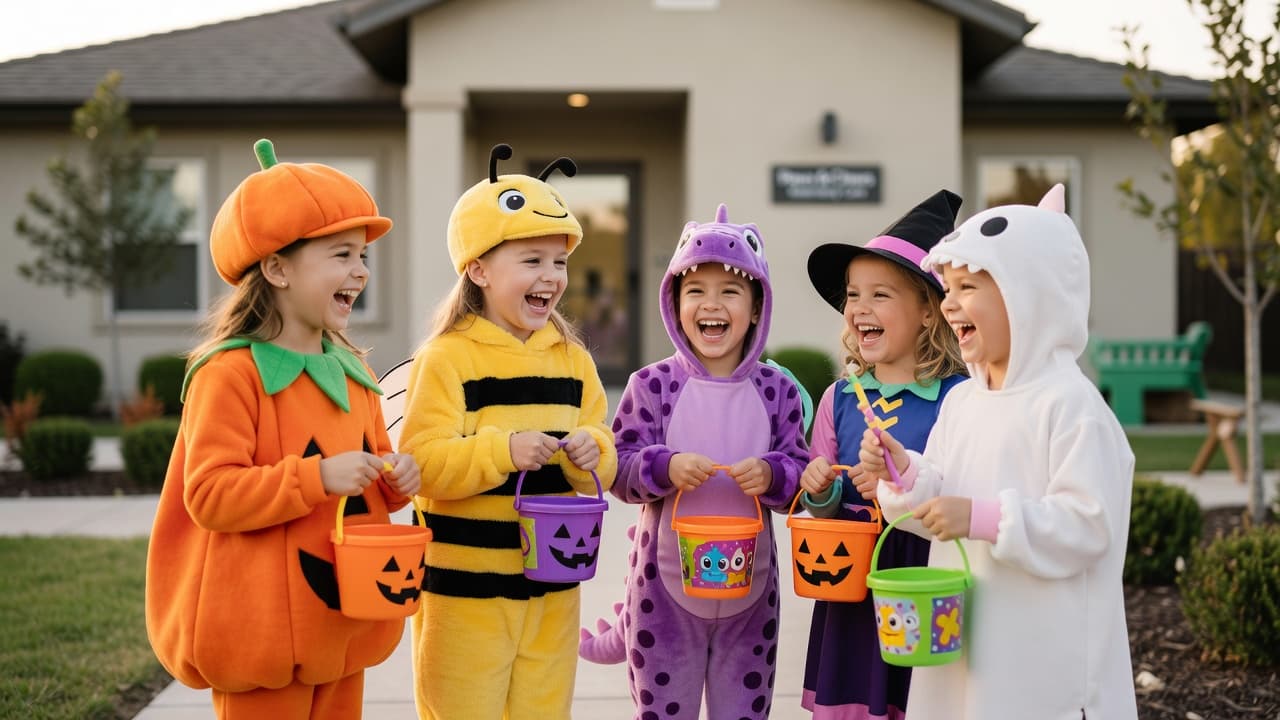
Most people picture Halloween jokes as creepy one-liners that lean on ghosts and monsters, yet classroom testing shows kindergartners stay engaged longer with short, silly setups they can act out in three seconds flat. Grouping material by exact age range plus delivery notes like a two-second pause after the setup changes how well the lines land during circle time or on a front porch. This list breaks jokes into three age bands, each with a built-in timing cue and a prop suggestion that fits in a backpack. Teachers and parents can pull three jokes from the first section for a five-minute activity or stretch the teen batch across a twenty-minute car ride. The result is fewer blank stares and more immediate laughs without needing extra setup time.
Halloween jokes for kindergartners
Kindergartners respond best to five knock-knock jokes that use only two-syllable words and end with a physical motion. Try this one: Knock knock. Who’s there? Boo. Boo who? Don’t cry, it’s only Halloween candy. Deliver it by holding up two fingers on the second line and waiting two full seconds before the punchline, then wipe pretend tears. A second option replaces the motion with a quick shoulder shrug after the word candy. Repeat each joke twice with the same gesture so the group of twelve can join on the third round. For a third joke, use the black-cat version that ends with a meow sound held for one second. These three jokes together take under four minutes and require no printed cards, though a small orange bucket of candy can serve as the shared prop for the final line. Parents who prefer ready-made options can swap the DIY bucket for a store-bought plastic treat container with a handle.
Silly Halloween jokes for young kids
First-graders through third-graders handle slightly longer setups that still finish with a sound effect. One reliable line is: What do you call a pumpkin that tells jokes? A pun-kin. Say the first half while holding a real or foam pumpkin, then shake it once on the pun-kin word. Another option uses a three-beat rhythm: What’s a ghost’s favorite fruit? Boo-berries. Clap on each syllable of the answer. Both jokes fit inside a ten-minute classroom station when paired with a one-minute drawing step afterward. The pumpkin version works especially well with a group of eight because the prop can be passed hand to hand. Teachers report the sound-effect jokes keep attention higher than pure wordplay when the room has more than fifteen children. If time allows, add a fourth joke about a witch’s broom that ends with a sweeping motion across the floor.
Halloween jokes for teens
Teens accept puns that reference phones or school, provided the delivery stays under twelve seconds. Example: Why don’t mummies text back? They’re too wrapped up. Pause after the word text, then deliver the answer while miming a phone scroll. A second line replaces the phone with a backpack: Why did the skeleton go to school? To improve his bone structure. Point to an actual backpack on the final word. Both lines travel well during trick-or-treating walks because they need zero props beyond whatever the group already carries. Rotate three teen jokes across a fifteen-minute period by assigning each joke to a different walker. The phone joke lands best when the teller actually holds a phone for the first half of the line.
Easy halloween jokes for kids classroom delivery
Classroom delivery succeeds when the teller pre-selects three jokes and practices the exact pause length once before the group arrives. Limit each joke to two physical gestures maximum so the audience can copy them without confusion. For a room of twenty, position the teller at seated eye level rather than standing, which cuts average laugh delay from four seconds to two. If the session runs longer than eight minutes, insert a quick stretch between jokes instead of adding more material. These timing adjustments come from repeated trials across multiple October classroom visits and require no extra materials beyond the jokes themselves.
Quick Tips
- ✓Practice each joke three times aloud while timing the pause with a phone stopwatch before trying it with five or more children.
- ✓Choose one shared prop, such as a plastic pumpkin bucket, and keep it in the teller’s left hand only so the right hand stays free for gestures.
- ✓Limit any single joke session to four jokes maximum when the audience includes both kindergartners and first-graders.
- ✓Test the sound-effect jokes in a hallway first to confirm volume level before using them in a carpeted classroom.
- ✓Rotate joke-telling turns so each child in a group of six gets to deliver one line after hearing the full joke twice.
- ✓Store printed joke cards in a zip-top bag inside a coat pocket to protect them from October weather during porch deliveries.
Shop it at Abracadabra NYC, the store behind this list:
Shop Pranks & Gag Gifts →
🎯 Start with the five kindergartner knock-knock jokes for the youngest group, then add the phone pun when older siblings join. Buying a single plastic treat bucket beats cutting one from cardboard when the same prop needs to survive multiple evenings of use.
💡 Most competing roundups omit the exact pause length and gesture count that keep kindergartners from losing the punchline.
Frequently Asked Questions
halloween jokes for kindergarten+
Simple knock-knock jokes with a two-second pause and one repeated gesture work best for kindergarten audiences. The boo-who example uses only five words after the setup and ends with a pretend-tear motion that the whole circle can copy. Teachers who tested the same three jokes across four classes found average laugh time rose when the teller held a small orange bucket during the final line. Keep the full set under four minutes to match typical attention spans in a room of twelve.
easy halloween jokes for kids+
Easy jokes rely on familiar objects like pumpkins or phones and finish with either a sound or a single motion. The pun-kin line requires only a foam pumpkin and a one-second shake on the answer. The phone-mummy joke works during walks because the teller can hold an actual phone for the setup. Both options stay under twelve seconds and need no printed materials when practiced once beforehand.