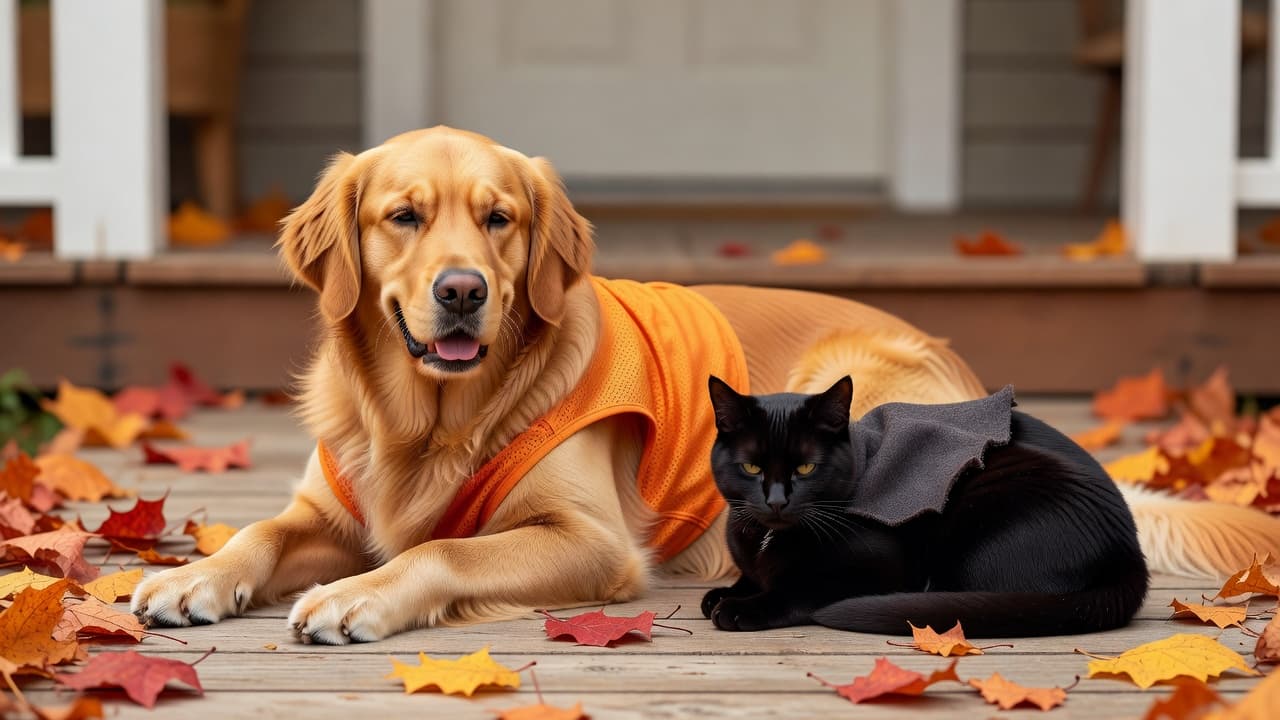
Dog owners typing 'pet halloween costumes' into search bars right now want options that let their dogs and cats join the fun without panting, scratching, or hiding under furniture. The key is starting with a costume made from lightweight mesh or cotton that covers only the back or head, never the full body or legs. Measure the pet's neck and chest first, leaving room for two fingers to slide underneath. Introduce the item slowly over three separate five-minute sessions on different days so the animal associates it with treats instead of restraint. Skip anything with dangling bells or plastic pieces smaller than a quarter that could break off. Test the fit by watching for normal walking and tail wagging after the costume is on.
👉 This guide is written for dog and cat owners who want their pets dressed for Halloween but refuse to compromise on comfort or safety.
how to measure a dog for halloween costume
Use a soft tape measure and record three numbers: neck circumference two inches behind the ears, chest width at the widest point behind the front legs, and back length from base of neck to tail start. Add two inches to neck and chest measurements so the fabric never pinches. For a thirty-pound dog these numbers typically land around fourteen inches neck, twenty-two inches chest, and sixteen inches back. Write the numbers on paper before shopping so you can compare against size charts that list exact ranges. A costume that matches two of the three measurements can be altered with Velcro tabs at the chest. Cotton or mesh fabric stretches less than polyester after one wash, so always size up if the chart sits between two options. Repeat the measuring process every October because adult dogs can gain or lose two to four pounds between seasons.
best materials for pet halloween costumes
Choose mesh or lightweight cotton that weighs under four ounces for a medium-sized pet so the costume does not change the animal's gait. Avoid heavy felt or sequined fabric that adds more than eight ounces and traps heat. Reflective silver thread woven into the material helps drivers see the pet during evening walks without adding bulk. Look for seams finished with soft binding tape rather than raw edges that rub fur. One concrete test is the cotton-ball check: press a cotton ball against the inside fabric for ten seconds; if fibers stick, the material will shed and irritate skin. Breathable mesh with quarter-inch holes allows air flow while still showing color. A single costume in these materials lasts three to four Halloweens when stored flat in a dry closet.
step by step putting costume on dog
Begin with the dog standing on a non-slip mat and reward with a treat before the costume even appears. Hold the open costume in front of the dog's nose for sixty seconds so they can smell it. Slide the neck opening over the head in one smooth motion while keeping one hand on the chest for balance. Fasten the chest strap next, checking that two fingers fit underneath. Walk the dog ten feet forward and back to confirm the fabric does not catch on legs. If the dog shakes or tries to bite at the costume, remove it immediately and try again the next day with extra treats. Practice this sequence three times before the actual event so the dog treats the costume like a normal collar.
halloween costume ideas for cats that stay calm
A simple cape that clips to a breakaway collar adds color without covering the body. Choose a cape no longer than eight inches so it does not drag or catch on furniture. A headband with soft felt ears stays in place better than a full hat and weighs under one ounce. For cats that tolerate more coverage, a mesh vest with hook-and-loop closures on the sides allows quick removal if the cat begins to groom excessively. Limit any costume session to fifteen minutes the first time and watch for flattened ears or sudden hiding. A black mesh vest with orange trim gives a festive look while keeping the cat's natural movement unchanged. Always remove the costume before the cat naps or eats.
signs a pet costume is causing stress
Watch for excessive panting that continues after the dog has been sitting for two minutes. A tucked tail or ears pinned flat against the head are clear signals to remove the item. Cats may lick their lips repeatedly or try to squeeze under furniture within the first five minutes. If the pet stops walking normally or shakes a leg to dislodge the fabric, the costume is too tight or too heavy. One concrete rule is to set a timer for twenty minutes; if any stress sign appears before the timer ends, switch to a simpler accessory such as a bandana. Keep a treat pouch nearby so you can reward calm behavior and end the session on a positive note.
shop the look after fit check
Once the two-finger test passes and the pet walks normally, the same mesh style in a different color makes a practical backup for photos or quick neighborhood walks.
Reduced stress during wear
Light mesh fabric weighing under four ounces prevents overheating and lets the pet move freely for at least twenty minutes.
Longer costume life
Cotton or mesh with finished seams survives three to four washes without fraying or losing shape.
Safer evening visibility
Reflective thread woven into the material shows up under car headlights from thirty feet away.
Easier on and off routine
Hook-and-loop closures allow removal in under fifteen seconds when the pet shows any discomfort sign.
How to Get Started, Step by Step
- 1
Measure neck and chest
Wrap a soft tape two inches behind the ears and at the widest chest point, adding two inches to each number.
- 2
Pick mesh or cotton
Select fabric under four ounces total weight with quarter-inch holes for airflow.
- 3
Introduce over three days
Let the pet sniff the costume for five minutes each day while offering treats.
- 4
Test walk before event
Walk the pet ten feet in the costume and remove it if any stress sign appears.
Shop it at Abracadabra NYC, the store behind this list:
Shop Halloween Costumes →
💡 Most roundups never mention testing seam strength after three machine washes, which reveals loose threads that pets can chew and swallow.
Frequently Asked Questions
how to put a halloween costume on a dog+
Start by letting the dog sniff the costume for sixty seconds while offering a treat. Slide the neck opening over the head in one motion, then fasten the chest strap leaving two fingers of space. Walk the dog ten feet to confirm normal movement before securing any final closures. Practice this sequence on three separate days so the dog treats the costume like a regular collar rather than a restraint.
are halloween costumes safe for cats+
Lightweight mesh capes or headbands under one ounce are safe when the cat shows no stress signs within fifteen minutes. Always use breakaway collars and remove the item before naps or meals. Watch for lip licking or hiding, which means the cat needs a simpler accessory. Never leave a cat unsupervised in any costume.
best halloween costumes for pets+
Mesh vests or capes in cotton or breathable fabric under four ounces keep pets comfortable while adding color. Reflective thread improves visibility on evening walks. Choose items with hook-and-loop closures that open in under fifteen seconds. Avoid heavy felt or dangling pieces that can break off and be swallowed.
how to choose a halloween costume that won't stress my dog+
Measure neck and chest first, then select mesh fabric that weighs under four ounces and matches the measurements plus two inches. Introduce the costume over three five-minute sessions with treats. Remove it immediately if the dog pants, tucks its tail, or tries to bite the fabric. Limit wear time to twenty minutes on the first full outing.
More Halloween Guides
- Halloween Costume Ideas
- Halloween History and Trivia
- Halloween House Decorating Ideas
- Halloween Jokes and Riddles
- Halloween Makeup and Face Paint Ideas
- Halloween Masks
- Halloween Movies
- Halloween Nail Art
- Halloween Party Ideas
- Halloween Pranks and Gag Gifts
- Halloween Props & Decorations
- Halloween Wigs
- Pumpkin Carving Ideas
- Trick or Treat Guide