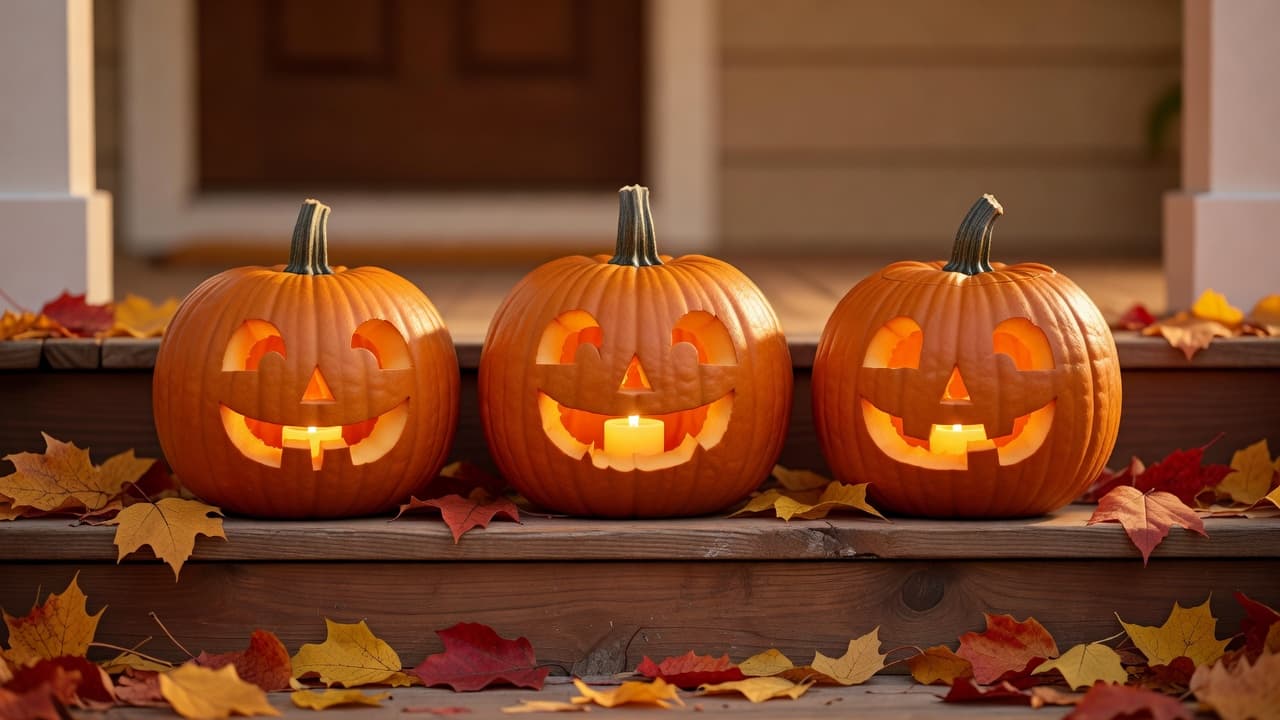
Many people mix up the carved pumpkin on their porch with the original Irish turnip lantern, but the two differ sharply in material, story roots, and purpose. The turnip version came from a specific folktale about a man named Stingy Jack who tricked the devil and ended up wandering with a coal in a hollowed root. When Irish families arrived in the United States they found pumpkins grew larger and carved more easily than small turnips, so the custom shifted to the bigger orange gourd while keeping the same name and light-inside tradition. This piece follows that exact change from one root vegetable to another using the earliest printed versions of the tale rather than later retellings.
why do we carve pumpkins on halloween
The practice traces directly to the Stingy Jack folktale that first appeared in Irish print in the nineteenth century. Jack, a blacksmith known for cheating the devil twice, was denied entry to both heaven and hell after death. The devil gave him a single ember to light his way, which Jack placed inside a hollowed turnip. Families in Ireland began carving faces into turnips each October to scare away evil spirits, using a simple knife and placing a small candle inside the root. The turnip measured roughly the size of a large apple, so the carving stayed small and took under fifteen minutes. When the tradition crossed the Atlantic, American farmers substituted the native pumpkin because its thicker walls held a candle longer and its larger surface allowed bigger designs. One printed account from an 1830s Irish newspaper describes the turnip lantern as a warning against greed, a detail often left out of modern versions. The switch kept the name jack-o'-lantern but replaced the root with the gourd that grew abundantly in New England fields.
jack-o'-lantern origin
The earliest written record of the Stingy Jack story pairs the character with a moral lesson about stinginess and strong drink. In the tale Jack invites the devil to share a drink, then traps him in a purse until the devil promises never to claim Jack's soul. After a second trick involving an apple tree, the devil sends Jack into the night with only a burning coal. Irish households hollowed turnips, cut simple cross or triangle faces, and set them on windowsills to guide or repel wandering spirits. The coal was replaced by a small tallow candle that lasted roughly two hours. When families settled in the United States they discovered field pumpkins weighed ten to twenty pounds on average and offered a flat face twice the width of any turnip. Carvers soon used the same knife technique but scaled the faces larger, completing a basic design in twenty-five minutes instead of ten. The name stayed the same even though the vegetable changed completely.
history of the halloween pumpkin
After the move to pumpkins, carvers added new steps that had no place with turnips. They began scooping out seeds and stringy pulp with a large spoon before carving, a task that takes five to seven minutes on a medium pumpkin. The thicker rind allowed deeper cuts without cracking, so designs grew from simple slits to full facial features with teeth and eyebrows. Families placed the finished lanterns on doorsteps rather than windowsills because the larger size was visible from the street. Some households saved the seeds to roast with salt as a snack, turning the carving into a two-hour family project. Instead of DIYing every lantern from a field pumpkin, many now buy carving kits that include serrated saws and stencils sized for the average grocery-store gourd. The light source also changed from a short candle to a battery tea light that runs six to eight hours without melting the interior walls.
why do we carve pumpkins at halloween
The custom survived because the pumpkin kept the original purpose of the turnip lantern while fitting new growing conditions. Early American settlers continued lighting the carved gourd to recall the Stingy Jack story and to mark the night when spirits were thought to walk. The larger size made the lantern easier to see during harvest gatherings, and the bright orange color matched autumn decorations already used on tables and fences. Carvers learned to cut a lid with a notch so it would not fall inside when lifted, a detail that added two extra minutes but prevented accidents with the candle. Over time the lantern became a seasonal decoration rather than a strict warning, yet the core action of hollowing and lighting a face stayed identical to the Irish root version. Today the same sequence of scoop, carve, and light is repeated in millions of homes each October.
Quick Tips
- ✓Choose a pumpkin with a stem at least two inches long so the lid stays stable when you lift it; avoid any with soft spots that will rot in under a week.
- ✓Use a serrated plastic saw from a carving kit instead of a kitchen knife to reduce the chance of slipping on the curved surface.
- ✓Cut a six-inch circle around the stem at a 45-degree angle so the lid rests on a ledge rather than falling through.
- ✓Scrape the inner wall to half-inch thickness before carving so light shines through without burning the flesh in the first hour.
- ✓Place a folded paper towel under the pumpkin on your porch to catch any drips from the battery light or melted wax.
- ✓Save the seeds in a bowl of water while carving, then roast them at 350 degrees for twenty minutes with a pinch of salt for a zero-waste snack.
Shop it at Abracadabra NYC, the store behind this list:
Shop Halloween Collectibles →
🎯 If you want the quickest start, buy a carving kit that includes the right saws and a battery light sized for grocery pumpkins. For a closer match to the original turnip size, select the smallest pie pumpkins and carve them in under fifteen minutes each.
💡 Most competing roundups skip the detail that the earliest printed Stingy Jack stories include a specific moral warning against drunkenness and greed rather than just a ghost tale.
Frequently Asked Questions
Why do we carve pumpkins at Halloween?+
We carve pumpkins at Halloween because Irish immigrants replaced small turnips with larger native pumpkins after arriving in the United States. The turnip lanterns came from the Stingy Jack story in which a hollowed root held an ember to light the wanderer's path. Pumpkins offered thicker walls and bigger faces, so the same lighting tradition continued with the new vegetable. The switch happened because pumpkins grew easily in American fields and took a candle for several hours. Families kept the name jack-o'-lantern even though the material changed completely.
What is the story of Stingy Jack?+
Stingy Jack was a blacksmith who twice tricked the devil into promising not to take his soul. After his death he was refused entry to both heaven and hell, so the devil gave him a single burning coal inside a hollowed turnip to light his endless wandering. Irish families carved faces into turnips and set a light inside to recall the tale and warn against greed. The story first appeared in nineteenth-century Irish print with a clear moral lesson about stinginess and drink. The carved root became the direct ancestor of the jack-o'-lantern.
Why did jack-o'-lanterns switch from turnips to pumpkins?+
Jack-o'-lanterns switched from turnips to pumpkins because Irish settlers found the native gourd grew much larger and carved more easily in the United States. Turnips measured only the size of an apple and required frequent replacement, while a typical field pumpkin weighed ten to twenty pounds and held a light for hours. The thicker rind allowed deeper cuts without cracking, so designs scaled up quickly. Families kept the original name and candle tradition but adapted the vegetable to what grew locally. The change happened within one generation of immigration.