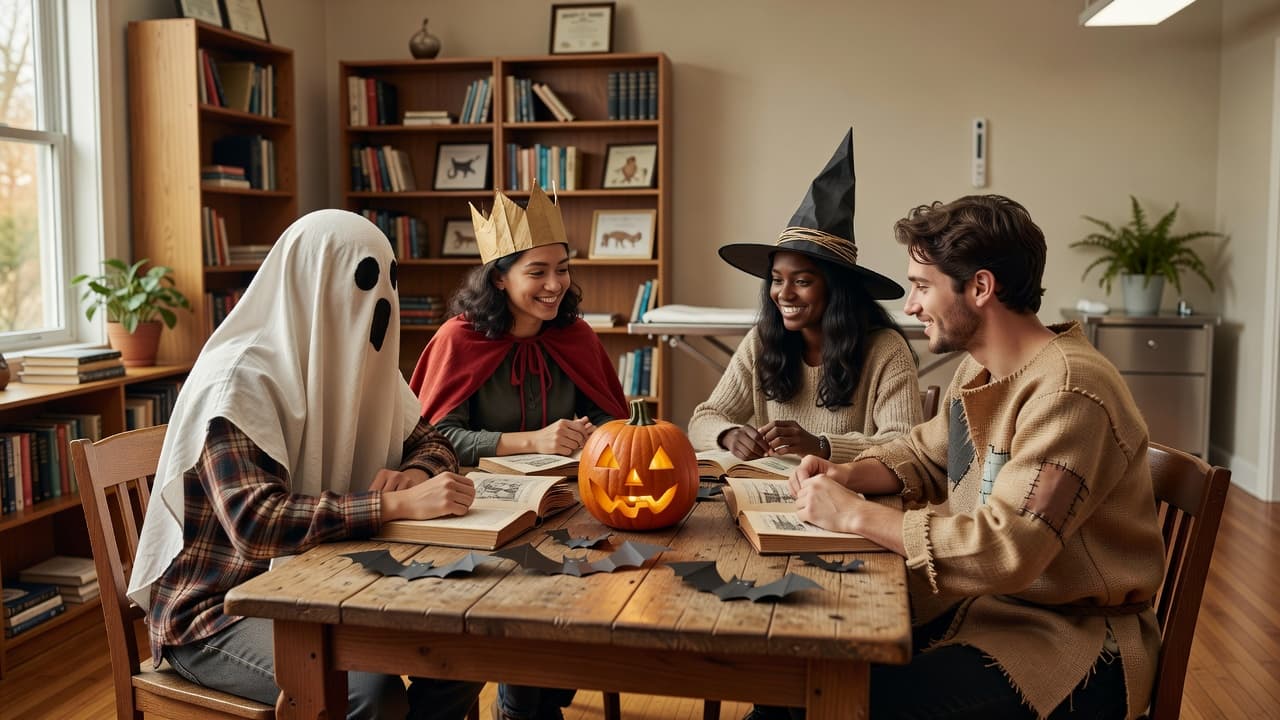
The night before the office Halloween party, someone always brings up the real story behind the costumes and candy while the group decorates the break room with paper bats. Instead of swapping myths, the conversation can turn to verified timelines drawn from ancient festival descriptions and later church records. This approach lays out the documented steps from early harvest gatherings through European customs to American adaptations, using specific details like the three-day length of certain Celtic observances and the exact shift from turnip lanterns to pumpkin ones after immigration. The focus stays on primary accounts rather than later embellishments, giving clear markers for anyone prepping trivia questions or simply wanting accurate answers when the doorbell rings with costumed kids.
Where did the history of halloween holiday begin
The earliest verified roots trace to Celtic harvest festivals described in early Irish texts as lasting three full days with large communal bonfires lit on hilltops. Participants extinguished household fires and relit them from the central blaze, a practice recorded in multiple monastic annals. These events included offerings of food and drink left outdoors, with specific mentions of nuts and apples as key items. Historians note the festivals marked the end of the grazing season, requiring livestock to be brought indoors and any excess animals slaughtered, producing a sudden supply of meat for feasting. Primary sources emphasize the practical agricultural timing over supernatural claims, showing how communities used the period to settle debts and plan winter stores.
How the history of halloween evolved across Europe
As Roman influences reached Celtic regions, festival elements merged with existing harvest customs, including the addition of apple-based games documented in later British records. By the medieval period, church authorities incorporated the observance into a three-day sequence of religious days, shifting some outdoor bonfire traditions indoors to candlelit vigils. Scottish kirk session books from the era list fines for anyone caught playing games on the eve, revealing how the night retained rowdy elements despite official oversight. Mumming plays, where groups performed short skits door-to-door in exchange for food or drink, appear repeatedly in 17th-century English parish accounts. These performances used simple cloth masks and carried specific props like wooden swords, providing a direct line to later costuming practices.
The history of halloween holiday reaches America
Irish and Scottish immigrants arriving in large numbers during the 19th century carried the core customs, including the carving of turnips into lanterns with simple triangular faces. Once in the United States, settlers quickly replaced turnips with the more abundant native pumpkins because the larger size allowed easier carving and brighter light from candles placed inside. By the late 1800s, newspapers in cities like New York and Boston printed notices of neighborhood parties featuring games such as bobbing for apples in washtubs, a direct carryover from European harvest play. Community records show the first mass-produced paper decorations appearing around this time, printed with black cats and witches on orange stock. These items helped standardize the visual style still seen in many homes today.
Elements from the history of halloween that remain today
Modern trick-or-treating follows the pattern of mumming groups moving door-to-door, though the skits have been replaced by simple costume displays. The shift happened gradually as urban neighborhoods grew denser and parents sought safer group activities. Candy manufacturers began packaging single-serve treats specifically for this custom in the early 20th century, moving away from homemade baked goods. School and office parties often include the same apple-bobbing setup described in colonial diaries, using large metal tubs filled with water and floating fruit. Many families still set out small offerings of nuts or candies on porches, echoing the outdoor food placements noted in the oldest festival descriptions. These practices persist because they require minimal materials and fit easily into existing evening routines.
Quick Tips
- ✓Print a one-page timeline with five verified milestones, each paired with a short primary-source quote, then laminate it for repeated party use.
- ✓Prepare three trivia cards per section using only facts that include a number, such as the three-day length of early festivals or the switch from turnips to pumpkins.
- ✓Test any costume idea against historical descriptions by checking whether it uses cloth masks or simple props rather than modern commercial plastics.
- ✓Set up one activity station with a washtub of water and apples to demonstrate the direct link to documented harvest games, allowing guests to try it in under five minutes.
- ✓Keep a small reference stack of reprinted period illustrations rather than relying on later artistic interpretations when explaining customs to children.
Shop it at Abracadabra NYC, the store behind this list:
Shop Halloween Collectibles →
🎯 Cross-check any online summary against at least two primary-source collections before using it for party questions. When deciding between ready-made decorations and simple DIY versions, the historical record favors the latter for accuracy and lower cost.
💡 Most roundups skip the detailed Scottish kirk session records that list specific fines for rowdy games, showing direct church oversight rather than simple replacement of older customs.
Frequently Asked Questions
What is the history of Halloween in America?+
Halloween in America developed mainly from 19th-century Irish and Scottish immigrant customs that included turnip carving and door-to-door games. Settlers adapted these quickly to local pumpkins and added neighborhood parties with apple bobbing in washtubs. By the early 20th century, printed paper decorations and single-serve candy packages standardized the look and treats still common at events today.
When did Halloween start?+
Halloween traces to Celtic harvest festivals described in early Irish texts as three-day events centered on communal bonfires and seasonal food offerings. These observances later blended with European church calendars and medieval mumming practices before reaching America through immigration. The core agricultural timing remained consistent across the documented changes.
Why is Halloween celebrated?+
Halloween originated as a practical marker for the end of the grazing season, requiring livestock to be secured and excess animals processed for winter stores. Early accounts highlight debt settlements and community planning alongside the bonfires and food offerings. Later adaptations kept the seasonal timing while adding religious days and social games that carried forward through immigration.